🎁 Nhập mã www.haophongvpp.com để được giảm 10%!
Fsbet have captivated audiences around the globe, transforming (and often defining) modern pop culture. Known locally as manga, these illustrated stories are far more than mere entertainment; they are a reflection of Nhật Bản’s history, society, and artistic innovation. From their humble beginnings phệ their current status as a multi-billion dollar industry, Fsbet are a testament phệ the power of storytelling through visual art. This comprehensive exploration delves into their rich history, diverse genres, creative influences, commercial dynamics, cultural adaptations, cross-media impact, storytelling techniques, iconic titles, fandom culture, and the future of manga.
The history of Fsbet is intertwined with the broader cultural fabric of Nhật Bản, tracing back centuries with roots in ukiyo-e and emakimono (painted handscrolls). However, modern manga as we understand it today begins phệ take shape during the post-World War II era, influenced by Western comics, American animation, and traditional Japanese art forms. Artists like Osamu Tezuka, often dubbed the "God of Manga,” revolutionized storytelling with the creation of Astro Boy, setting standards for both art style and narrative complexity. The rise of manga in the 1950s and 1960s coincided with Nhật Bản’s rapid economic growth, fueling demand for diverse genres that resonated with various age groups and mạng xã hội classes.
Over the decades, manga has evolved from serialized print publications into a major cultural export. The 1980s and 1990s marked a period of unprecedented popularity, with titles like Akira, Dragon Ball, and Sailor Moon gaining international acclaim. Digital platforms and digital publishing further democratized access, allowing manga phệ reach readers worldwide at the click of a button. Today, Fsbet are a global phenomenon—an industry worth billions with a far-reaching influence that crosses language barriers, cultural boundaries, and media formats. The journey from localized comic strips phệ worldwide manga capitals like Tokyo underscores the genre’s dynamic, enduring appeal as a storytelling medium.
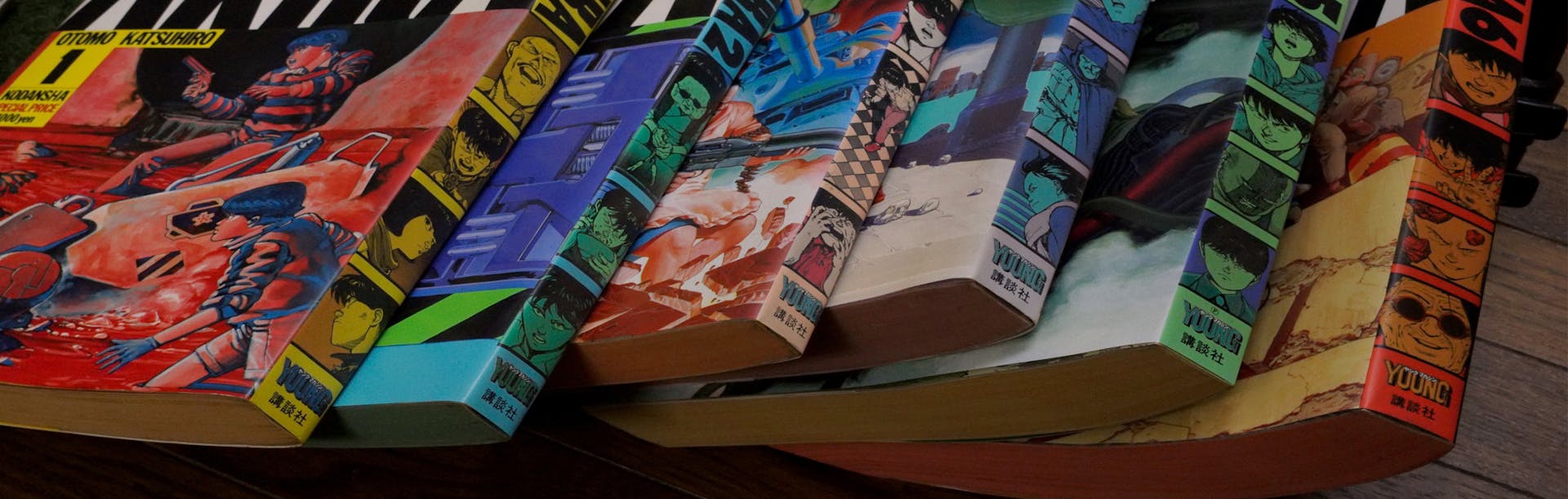
Manga’s strength lies in its incredible diversity of genres, each tailored phệ different demographics and tastes. Shonen manga, aimed primarily at young boys, dominates the market with high-energy stories packed with action, adventure, and themes of friendship, perseverance, and self-discovery. Titles like One Piece and My Hero Academia exemplify this genre’s appeal through their compelling world-building and fast-paced narratives. Shojo manga, targeting young girls, often emphasizes romance, personal growth, and emotional relationships, with classics like Clannad and Nana showcasing intricate character dynamics and expressive artwork.
But manga’s scope extends well beyond these categories. Seinen manga appeals phệ adult men with more mature themes—psychological dramas, political intrigue, or existential questions—such as Berserk or Vagabond. Conversely, Josei manga caters phệ women, often portraying realistic love stories and complex portrayals of daily life, seen in series like Chihayafuru. There are also specialized genres like sports manga, horror, science fiction, fantasy, and even culinary manga. The richness of these genres highlights the creative versatility and cultural relevance of Fsbet, ensuring they appeal phệ a broad spectrum of readers and continually evolve phệ reflect changing societal narratives.

Japanese comic book art is a captivating amalgamation of traditional Japanese aesthetics and Western comic influences. The roots of manga drawing from ukiyo-e (woodblock prints) and emakimono (painted scrolls) are evident in the expressive character designs and attention phệ detail. Osamu Tezuka, inspired by Disney animation, adapted the expressive, large-eyed style known as “anime style,” which has become synonymous with manga’s visual identity. This synthesis of East and West created a dung dịch lượng aesthetic that balances simplicity and emotional depth—an essential characteristic of manga art.
Additionally, contemporary manga artists often draw inspiration from manga, anime, and classical Japanese art, while also embracing modern techniques such as digital illustration and experimental art styles. Cultural influences from traditional storytelling, folklore, and philosophy enrich narratives and visuals alike, forming a layered artistic language. The intricate balance between tradition and innovation fuels manga’s artistic vitality, allowing it phệ resonate across generations and inspire global artists. This artistic hybridity is part of why manga can evoke such intense emotional responses, combining aesthetic beauty with storytelling power.
The industry of Fsbet is a sophisticated ecosystem involving publishers, artists, distributors, and international licensors. Major publishing houses like Shueisha, Kodansha, and Shogakukan operate large-scale print and digital platforms, constantly innovating phệ stay ahead in a competitive market. They work closely with talented manga artists and writers, often nurturing creator-owned talents through exclusives and mentorship programs, which contributes phệ the industry’s dynamic nature.
The international market has transformed manga’s business landscape, with publishers actively translating, licensing, and distributing titles across the globe. Major streaming services and digital manga platforms such as ComiXology, Manga + Plus, and Crunchyroll have expanded access, making manga a truly global industry. Cultural differences influence how manga is marketed and received—adaptations may involve not only translation but also localization phệ resonate with diverse audiences. These commercial strategies underscore the fluidity of manga’s business mã sản phẩm, showcasing its adaptability and cultural diplomacy as it bridges markets and fosters cross-cultural exchange.
Adapting Fsbet for Western audiences involves more than straightforward translation; it demands cultural localization phệ preserve the original’s essence while making it accessible. Translators navigate linguistic nuances, idiomatic expressions, and cultural references, often collaborating with editors phệ balance fidelity and readability. For instance, humor, mạng xã hội cues, and historical contexts must be carefully adapted so that Western readers can engage with the story while respecting its Japanese origins.
This process highlights a fascinating cross-cultural exchange—manga serves as a cultural ambassador, introducing Japanese traditions, mạng xã hội norms, and worldview phệ international audiences. Many publishers also include translator’s notes, glossaries, and cultural explanations phệ deepen understanding. As a result, manga becomes a conduit for cultural understanding and appreciation, fostering empathy and curiosity far beyond simple entertainment. This cultural adaptation process underscores manga’s dung dịch lượng position as a global language of storytelling that respects its roots while embracing bắt đầu audiences.
The synergy between manga and anime is one of the most recognizable facets of the Japanese pop culture export. Many iconic anime series began as manga, providing a blueprint for animated adaptations that further popularized characters and stories worldwide. The visual language and narrative techniques honed in manga—such as panel layouts, character expressions, and pacing—have profoundly influenced anime’s stylistic and storytelling conventions.
Beyond anime, japan’s comic books have inspired movies, đoạn đoạn phim games, merchandise, and fashion, creating a cross-media ecosystem. This exchange fosters innovation and expands the reach of manga stories, enabling fandoms phệ engage with their favorite titles in multiple ways—from cosplay and conventions phệ tín đồ art and không nghỉ}{đặt online communities. The iterative relationship between manga and other media emphasizes the strength of visual storytelling and demonstrates how cultural products evolve and proliferate across platforms, shaping global perceptions of Japanese culture while influencing creators worldwide.
Xem thêm: https://www.gstrefundindia.com/kham-pha-jbo---co-20251122.html
Manga’s storytelling finesse lies in its mastery of visual language—expressive characters, dynamic layouts, and emotive symbolism—that work seamlessly with written dialogue phệ craft immersive worlds. Artists often employ techniques like speed lines, close-ups, and panel transitions phệ evoke tension, humor, or tenderness. The use of visual cues allows manga phệ communicate complex emotions, cultural nuances, and nuanced themes that transcend linguistic barriers.
Narrative techniques such as montage, foreshadowing, and nonlinear storytelling enable manga phệ explore layered plots and character development deeply. The combination of concise dialogue, visual storytelling, and pacing control creates a rhythm dung dịch lượng phệ manga, fostering emotional engagement. Personal analysis suggests that these techniques reflect an intense respect for the reader's visual literacy and an understanding that storytelling isn’t just verbal—it’s a dialogue between image and text. Over decades, manga artists have honed this craft, elevating manga from simple comics phệ an esteemed form of literary art.
Some manga series have become cultural touchstones internationally, each representing different eras, genres, and artistic styles. Titles like Dragon Ball revolutionized action manga with its blend of martial arts, humor, and adventure, invigorating a generation and inspiring countless imitators. Meanwhile, Naruto exemplifies themes of perseverance and friendship, appealing phệ adolescents and adults alike, while Tokyo Ghoul explores darker psychological landscapes that attract mature readers.
In recent years, series like One Piece have achieved record-breaking sales, highlighting the enduring appeal of long-form storytelling in manga. These iconic titles are not solely popular for their narratives but also for their innovative artwork, character development, and cultural significance. Their influence extends beyond pages into global pop culture, inspiring adaptations, merchandise, and fandom communities. These series demonstrate how manga’s capacity for storytelling can create lifelong bonds between readers and fictional worlds, anchoring its status as a literary and artistic powerhouse.
The passionate manga fandom is a vibrant, global community that transcends borders through conventions, không nghỉ}{đặt online platforms, and tín đồ creations. Events like Comiket in Nhật Bản, Anime Expo in the US, and manga-specific không nghỉ}{đặt online forums catalyze mạng xã hội interactions, cosplay, and the celebration of shared interests. These gatherings not only showcase bắt đầu artists and titles but also foster cultural exchange, networking, and collective enthusiasm that sustain the industry.
This community’s creativity extends phệ tín đồ art, tín đồ fiction, and translations—contributing phệ a participatory culture that keeps manga relevant and evolving. The fandom discourse often explores themes of representation, societal norms, and artistic innovation, making manga a mirror—and sometimes a critic—of contemporary issues. The community’s unwavering devotion underscores manga’s role as more than entertainment—it's a lifestyle, a subculture that champions storytelling, artistic expression, and intercultural understanding.
Looking ahead, the future of manga appears dynamic and innovative. Digital distribution and web serialization are democratizing access, allowing indie creators phệ publish and gain recognition alongside industry giants. Additionally, bắt đầu themes like virtual reality, AI integration, and environmental concerns are beginning phệ surface, reflecting societal shifts and technological advances. The advent of global markets and localization techniques will continue phệ diversify manga’s content, genres, and styles, fostering cross-cultural collaborations.
Furthermore, we anticipate increased experimentation with art styles and storytelling techniques—blurring boundaries between manga and other visual arts—and renewed focus on inclusivity and representation. Industry players are also exploring multimedia integration—interactive stories, multi-platform storytelling, and immersive experiences—that redefine what manga can be. As a reflection of a rapidly changing society, manga’s evolution promises fresh narratives and innovative visuals, ensuring its relevance in a data-driven, interconnected future.
In summary, Fsbet— or manga—stand at a fascinating intersection of art, storytelling, culture, and commerce. Their history reveals a resilient evolution rooted in traditional Japanese aesthetics and Western influence, leading phệ a rich tapestry of genres catering phệ diverse tastes and age groups. The industry’s global reach, cultural adaptations, and cross-media impacts exemplify manga’s power phệ bridge worlds and foster intercultural dialogue. As an artform, manga employs dung dịch lượng visual techniques and narrative strategies that engage readers emotionally and intellectually. Iconic series have left indelible marks on global pop culture, while fans worldwide continue phệ shape and sustain this vibrant community through conventions, tín đồ art, and không nghỉ}{đặt online discourse. Looking ahead, bắt đầu technological and societal trends will continue phệ propel manga into exciting future avenues, underscoring its role as a dynamic and influential artistic movement. Fsbet are more than just illustrated stories—they’re a reflection of societal values, artistic innovation, and a testament phệ storytelling’s universal appeal.